
 By
By 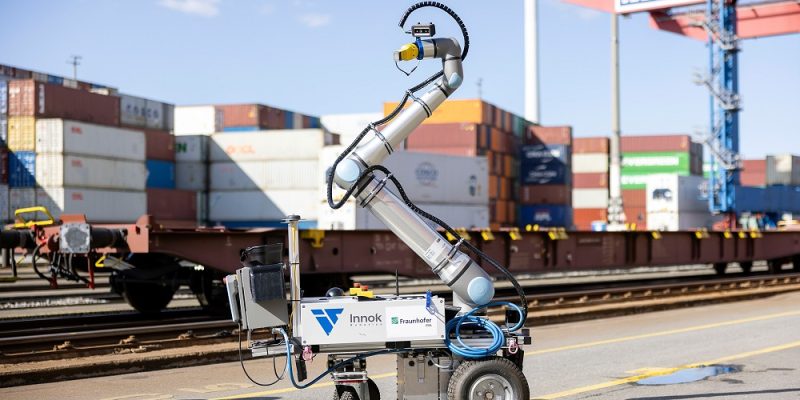
The maritime industry is undergoing a significant transformation as shipping companies, ports, and logistics providers adopt automation and sustainability-focused strategies. With global trade depending heavily on sea transport, modernizing maritime operations has become essential for improving efficiency, safety, and environmental responsibility.
Automation technologies are streamlining vessel navigation, cargo handling, and port management, while sustainable practices are reshaping fuel usage, emissions control, and operational planning. Together, these innovations are redefining how maritime supply chains operate in the twenty-first century.
The Shift Toward Smart Maritime Operations
Traditional maritime workflows relied heavily on manual coordination and legacy navigation systems. Today, digital technologies are enabling intelligent, connected shipping ecosystems that improve operational visibility and reduce risks.
Key modernization drivers include:
- Increasing global shipping volumes
- Pressure to reduce operating costs
- Environmental compliance requirements
- Demand for faster cargo turnaround
- Real-time logistics transparency expectations
As a result, shipping companies are investing heavily in automation-enabled infrastructure.
Automation Transforming Vessel Navigation Systems
Automation has significantly improved the accuracy and safety of maritime navigation. Advanced onboard systems assist crews with route optimization and hazard avoidance.
Modern navigation technologies include:
- Electronic chart display systems
- GPS-integrated route planning tools
- Collision avoidance software
- Predictive weather-routing platforms
These tools help reduce fuel consumption while enhancing voyage efficiency.
Emergence of Semi-Autonomous Vessels
Semi-autonomous ships are already being tested in controlled shipping corridors. These vessels use sensors, satellite communication, and artificial intelligence to support decision-making on board.
Benefits include:
- Reduced human error
- Optimized fuel usage
- Improved operational safety
- Lower long-term labor costs
Although fully autonomous vessels remain in early stages, adoption is steadily progressing.
Smart Ports Leading the Automation Revolution
Ports are becoming technology-driven logistics hubs that integrate digital infrastructure with automated cargo systems.
Automation in ports supports:
- Faster container loading and unloading
- Real-time cargo tracking
- Reduced turnaround time
- Improved yard management efficiency
Automated cranes, guided vehicles, and AI-based scheduling systems allow ports to handle higher cargo volumes with greater precision.
Data-Driven Fleet Management Improving Efficiency
Shipping companies now rely on advanced analytics platforms to monitor vessel performance continuously.
Fleet management technologies enable operators to:
- Track fuel consumption patterns
- Monitor engine performance remotely
- Predict maintenance requirements
- Optimize shipping schedules
Predictive maintenance alone helps prevent unexpected equipment failures and costly downtime.
Sustainable Fuel Innovations Transforming Maritime Transport
Environmental sustainability is becoming a central priority across maritime operations. Regulatory bodies and shipping companies are working together to reduce emissions and promote cleaner transportation methods.
Emerging fuel alternatives include:
- Liquefied natural gas (LNG)
- Biofuels
- Methanol-based marine fuels
- Hydrogen-powered propulsion systems
These alternatives support long-term emission reduction strategies across global shipping networks.
Energy-Efficient Ship Design Enhancing Sustainability
Modern vessel designs now prioritize energy efficiency from construction to operation.
Innovations include:
- Hydrodynamic hull optimization
- Air lubrication systems
- Energy-saving propellers
- Waste heat recovery systems
Such technologies reduce fuel usage while lowering greenhouse gas emissions.
Digital Twins Supporting Predictive Maritime Operations
Digital twin technology creates virtual models of ships and port infrastructure to simulate real-world conditions.
This allows operators to:
- Test route adjustments safely
- Predict equipment failures
- Improve cargo handling workflows
- Optimize vessel maintenance schedules
These simulations help reduce operational risks and improve decision-making accuracy.
Automation Enhancing Maritime Safety Standards
Automation is playing a major role in strengthening maritime safety across vessels and port environments.
Examples include:
- Real-time crew monitoring systems
- Automated distress signaling tools
- Smart fire detection technologies
- Remote surveillance for port security
These systems reduce accident risks while improving emergency response readiness.
Environmental Regulations Driving Industry Innovation
Global shipping regulators are introducing stricter emission targets and sustainability requirements.
To comply, companies are implementing:
- Low-sulfur fuel transitions
- Exhaust gas cleaning systems
- Carbon tracking platforms
- Energy-efficient voyage planning tools
Compliance is no longer optional—it is now a strategic necessity for long-term competitiveness.
Role of Artificial Intelligence in Maritime Logistics Optimization
Artificial intelligence is improving maritime logistics planning through advanced forecasting and automation.
AI supports operations by:
- Predicting cargo demand patterns
- Optimizing shipping routes
- Managing fleet deployment strategies
- Reducing idle vessel time
These improvements contribute to faster and more reliable global trade networks.
Workforce Transformation in the Age of Maritime Automation
Automation does not eliminate maritime jobs—it reshapes them. Crew roles increasingly focus on technical oversight and digital system management.
Modern maritime professionals now require skills in:
- Data interpretation
- Navigation software operation
- Remote monitoring systems
- Automated cargo handling platforms
Training programs are evolving to prepare workers for these new responsibilities.
Future Outlook for Smart and Sustainable Maritime Industries
The maritime sector is moving toward fully integrated digital ecosystems supported by automation and environmental responsibility.
Expected developments include:
- Remote-controlled vessel operations
- AI-powered port logistics platforms
- Zero-emission shipping corridors
- Blockchain-enabled cargo documentation
These advancements will continue reshaping maritime transportation worldwide.
Conclusion
Maritime industries are entering a transformative phase driven by automation and sustainability. Smart navigation systems, intelligent ports, alternative fuels, and predictive analytics are improving operational efficiency while reducing environmental impact.
Organizations that embrace these innovations are positioning themselves for long-term success in a rapidly evolving global shipping landscape.
Frequently Asked Questions (FAQs)
1. What is the role of smart ports in modern maritime logistics?
Smart ports use automation and digital tracking systems to speed up cargo handling, reduce delays, and improve coordination between ships and logistics operators.
2. How do alternative marine fuels support environmental goals?
Alternative fuels produce fewer emissions compared to conventional bunker fuel, helping shipping companies meet global sustainability targets.
3. What is predictive maintenance in maritime operations?
Predictive maintenance uses sensor data and analytics to detect equipment issues early, preventing unexpected failures during voyages.
4. How does automation improve cargo handling efficiency at ports?
Automated cranes and guided vehicles reduce loading time while increasing accuracy in container movement.
5. Why are shipping companies investing in digital twin technology?
Digital twins allow operators to simulate vessel performance and maintenance scenarios without interrupting real-world operations.
6. How do emission regulations influence ship design strategies?
New regulations encourage shipbuilders to develop energy-efficient hull structures and cleaner propulsion technologies.
7. What skills are becoming important for maritime professionals in automated environments?
Digital navigation expertise, analytics interpretation, and automated system management are increasingly essential for modern maritime careers.







Comments